
Handling Performance
Pro-Alignment
- Solution to correct excessive negative camber and prevent uneven tyre wear
- Wider range of camber adjustment suitable for road use
- Compatible with sport-lowered suspensions
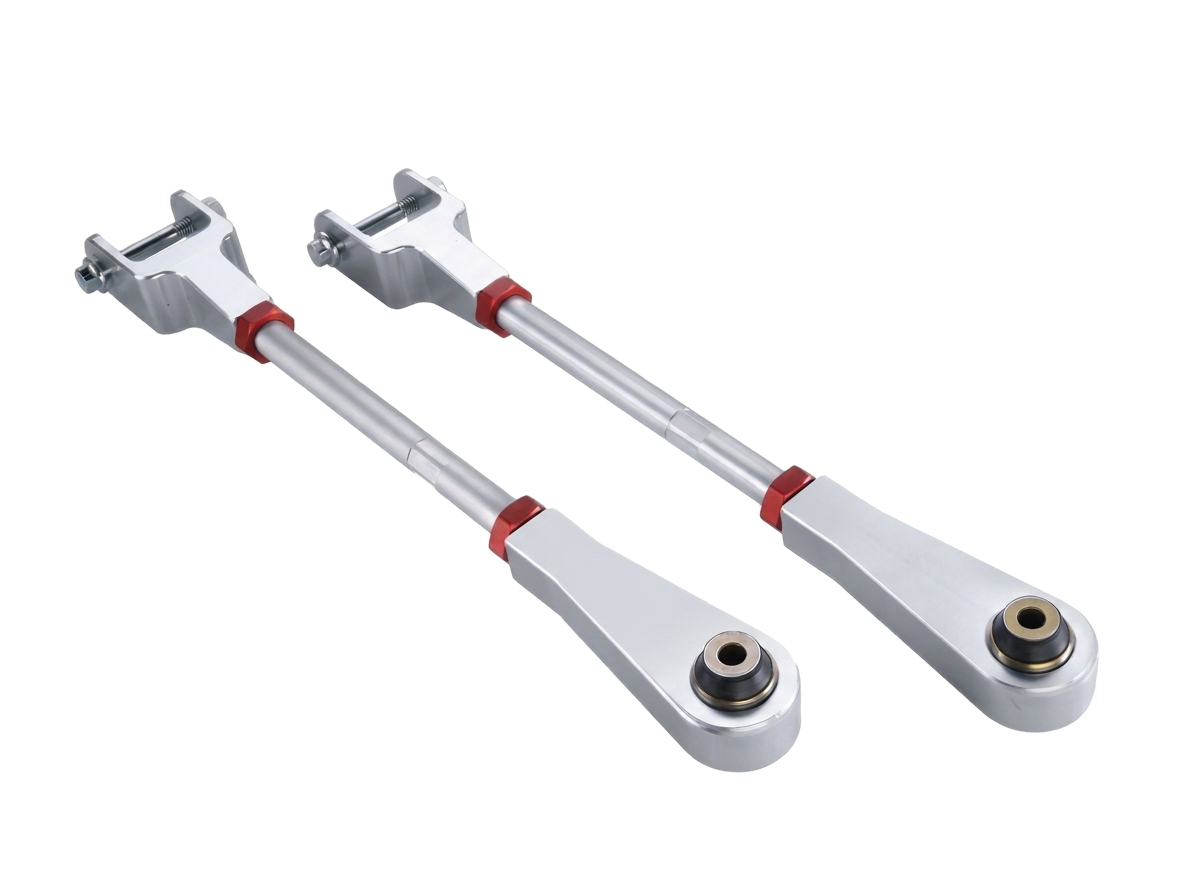
Adjustable Arms & Hardware
Why are Alignment Parts Necessary?
Alignment kits are necessary when lifting or lowering vehicles because changes in the height of a vehicle can affect the alignment of its wheels. If a vehicle is lowered or lifted beyond a certain point, factory alignment specifications will not be achievable which can negatively effect handling. These alignment kits not only allow the adjustment of a vehicle’s camber back to factory specifications, but they also allow an experienced chassis tuner to utilise the increased adjustment range to achieve a more performance-oriented alignment.
Why you need them
Get your suspension back into shape with Eibach alignment kits. After installing a spring set, your vehicle’s alignment should always be checked. If you’ve lowered yours, the wheel camber may become increasingly “negative”—meaning the top of the tyre is angled inward. While some negative camber improves traction and road adhesion, too much can result in peculiar handling and accelerated tyre wear. Enjoy precise handling and enhanced high speed stability with the Eibach alignment kit designed for your application.
Alignment impacts on tread wear
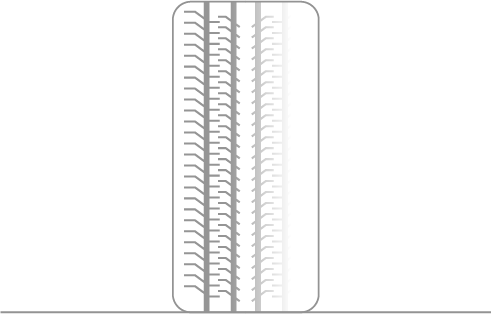
Inner Edge Wear - Improper Alignment Specs
When an alignment is out of spec, uneven tread wear and accelerated tyre life are most likely to occur. These are signs of excessive toe and camber values.
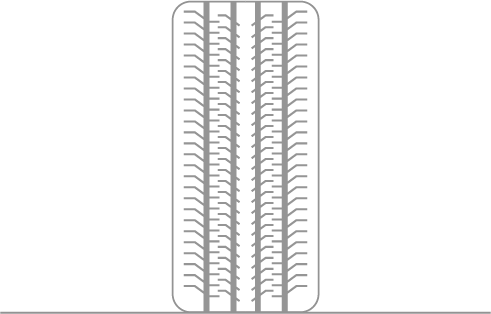
Even Edge Wear - Proper Alignment Specs
When an alignment is within spec, tread wear should be spread evenly across the entire width of the tyre.
Alignment impacts on camber & castor angles
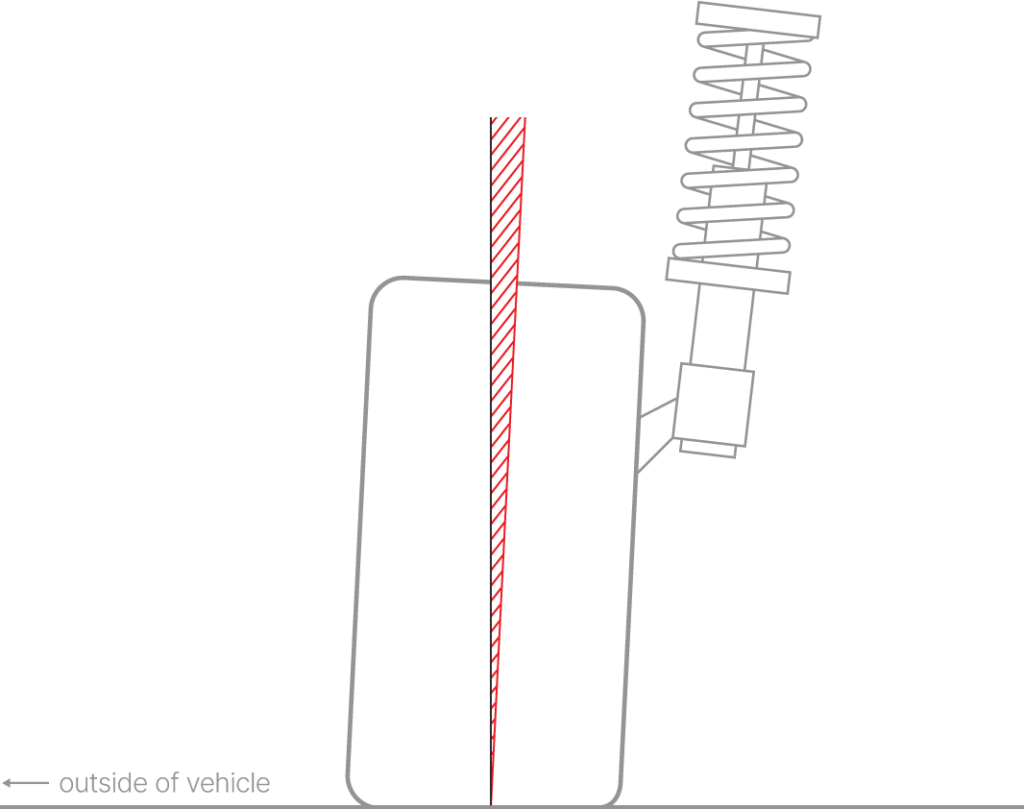
Camber
The camber angle is the angle of the wheel relative to the road surface. If the top of the wheel is leaning towards the car, the wheel is said to have negative camber. If the top of the wheel is leaning away from the car, this is positive camber. Most vehicles run either zero or negative camber values.
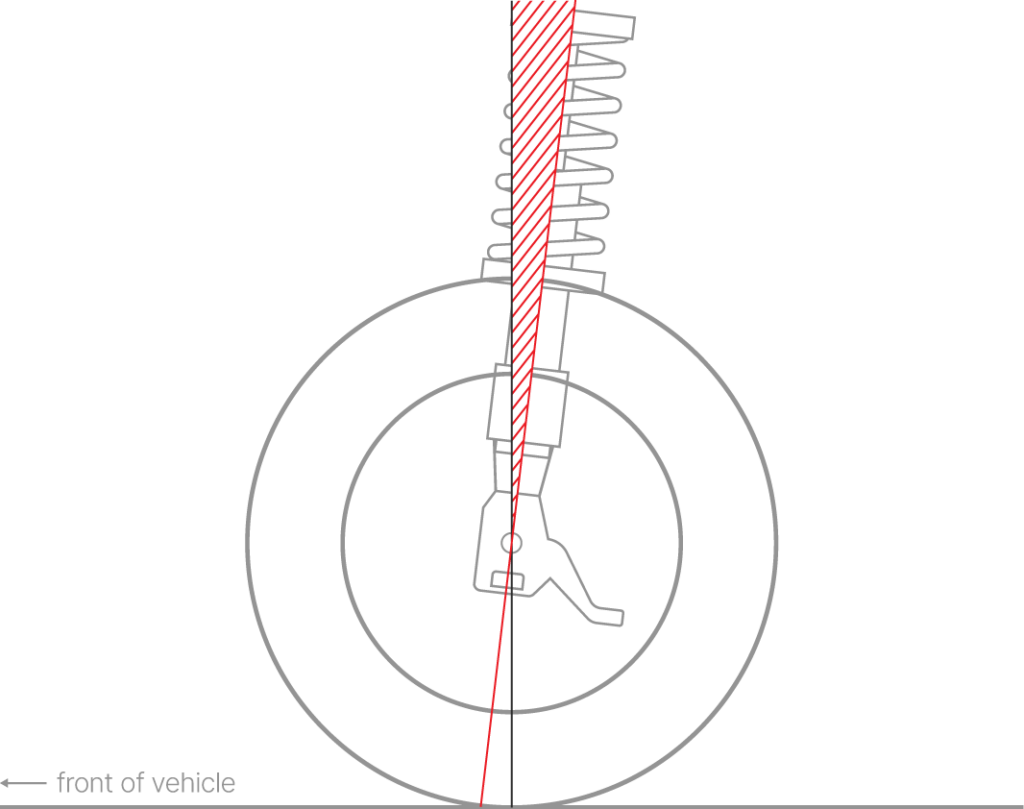
Caster
The caster angle is the angle of the steering axis relative to the vertical axis of the car. Most vehicles have some value of positive caster, meaning that the steering axis is angled towards the back of the car. This angle affects stability, stering response and steering return rate among others.
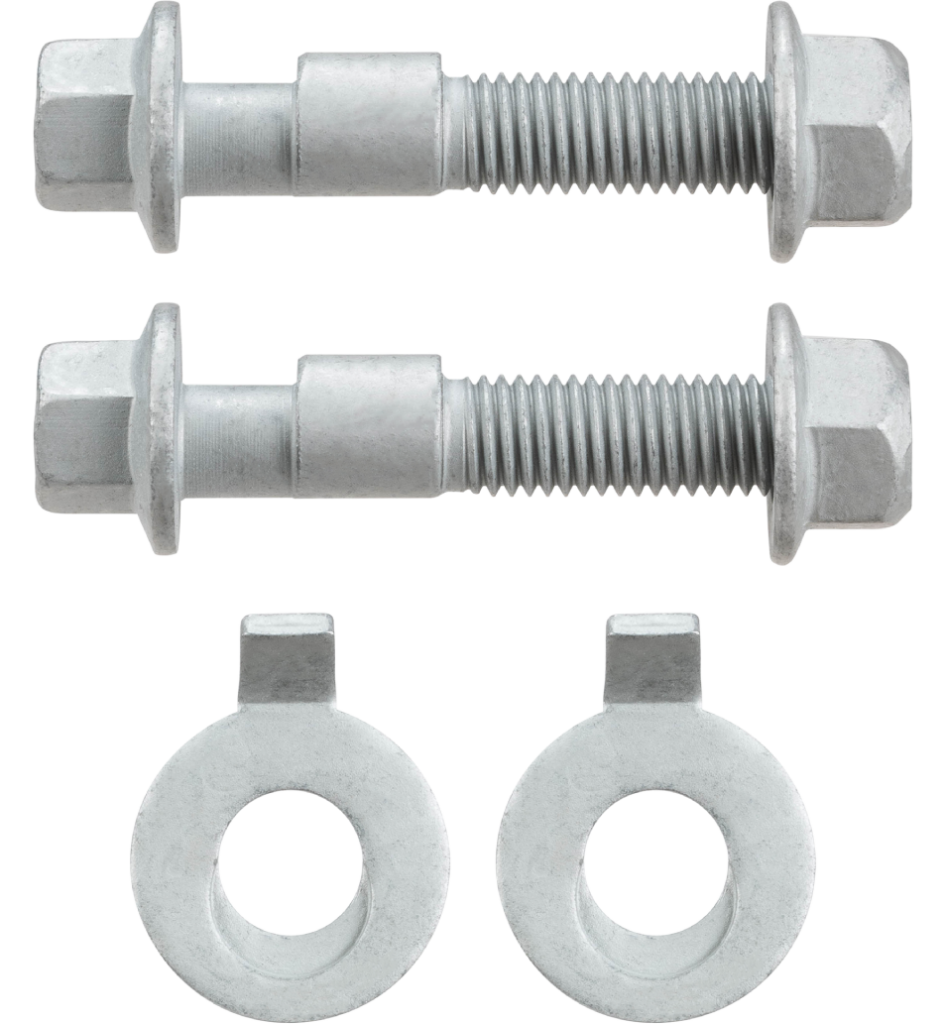
Camber Bolts
Camber bolts are eccentric bolts that are added between a vehicle’s strut and hub assembly. While they do not give the same range of adjustment as an adjustable control arm, they are easy to install and are a lower cost alternative.
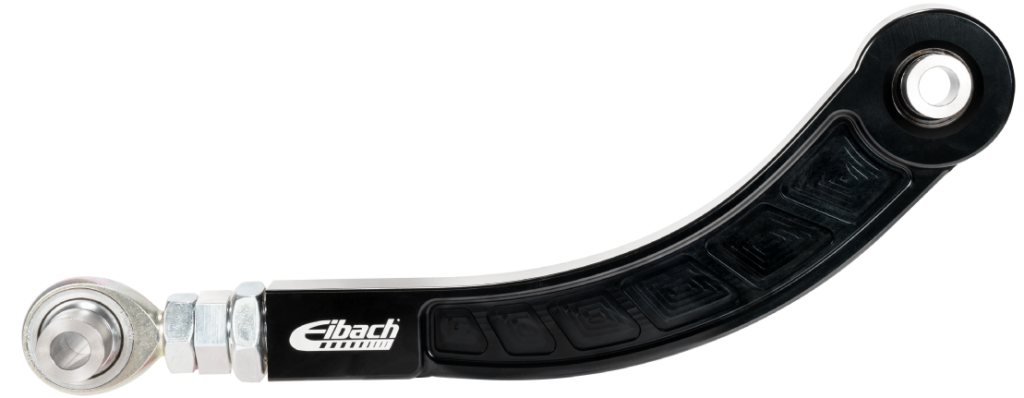
Camber Arms
Similarly to a Control Arm, Camber Arms help to adjust the angle of the wheels as well. Proper camber arm adjustment plays an important role in improving a vehicle’s handling and stability. These are typically located on the rear suspension of most vehicles.
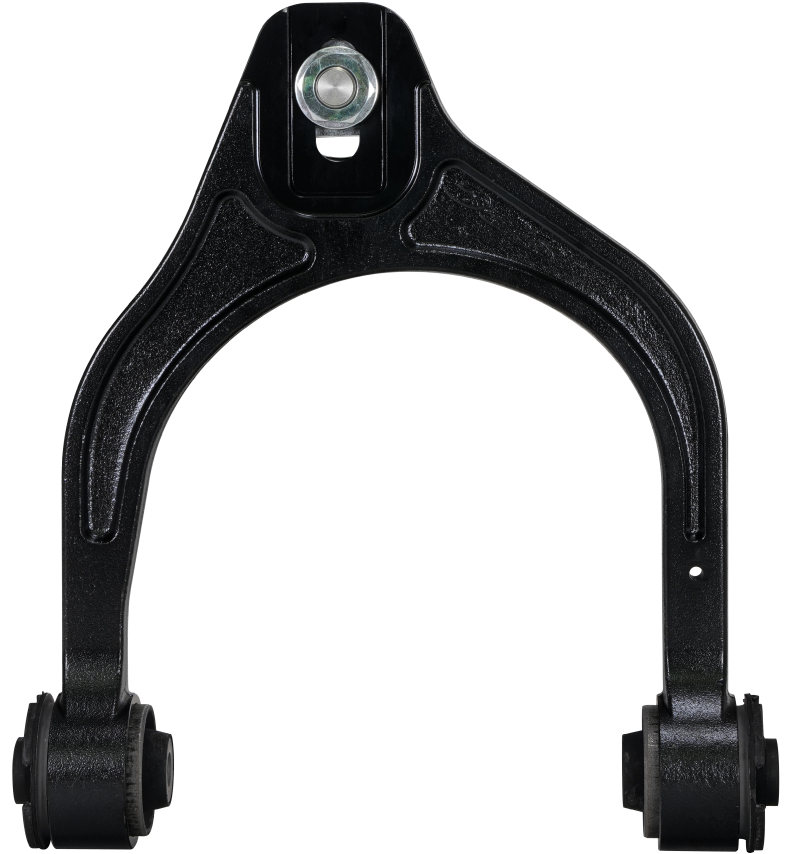
Control Arms
Control arms are used to connect the suspension to the car’s chassis. They help to control the motion of the wheels and keep them aligned properly. These have a slotted adjustment for camber and are typically located on the front of most suspension layouts.